
How to Choose the Right Diesel Generator: A Practical Guide
Views: 53466 Author: Site Editor Publish Time: 2026-05-09 Origin: Site


The Complete Guide to Diesel Generator Selection & Purchasing
In an era of reliable power demand, diesel generators serve as critical backup and prime power solutions for factories, construction sites, commercial buildings, hospitals, data centers, and remote areas. With so many models and brands on the market, buyers often struggle to choose a suitable unit without wasting money or facing unexpected failures. This guide simplifies professional knowledge to help you select the right diesel generator quickly and correctly.
I. What Is a Diesel Generator?
A diesel generator converts diesel fuel energy into electricity, consisting of a diesel engine, alternator, control system, and auxiliary systems. It works independently of the grid and features fast startup, wide power coverage, and strong stability. It is widely used for emergency backup (hospitals, banks) and continuous power supply (construction sites, mines).
II. Key Parameters for Selection
1. Power (Most Important)
• Standby Power: For emergency use only, ≤200 hours/year.
• Prime Power: For 24-hour continuous operation.
• Rated Power: Stable long-term output under standard conditions.
Calculation: Total power × simultaneity factor (0.6–0.8) × 1.1–1.2 redundancy.Power decreases about 10% per 1,000 m altitude.
2. Other Key Parameters
• Voltage/Frequency: Standard 400V/230V 50Hz; export use 60Hz.
• Starting: Manual or ATS automatic start.
• Cooling: Air-cooled (small units) or water-cooled (large units).
• Fuel consumption: High-quality models: 195–210 g/kW·h.
III. Model Selection by Application
By Power
• 5–50kW:Suitable for emergency power supply in families, canteens, and small construction sites (such as family power outages and canteen backups). They are small in size and easy to move. Hand-push or portable models can be selected, and domestic cost-effective brands can meet the needs.
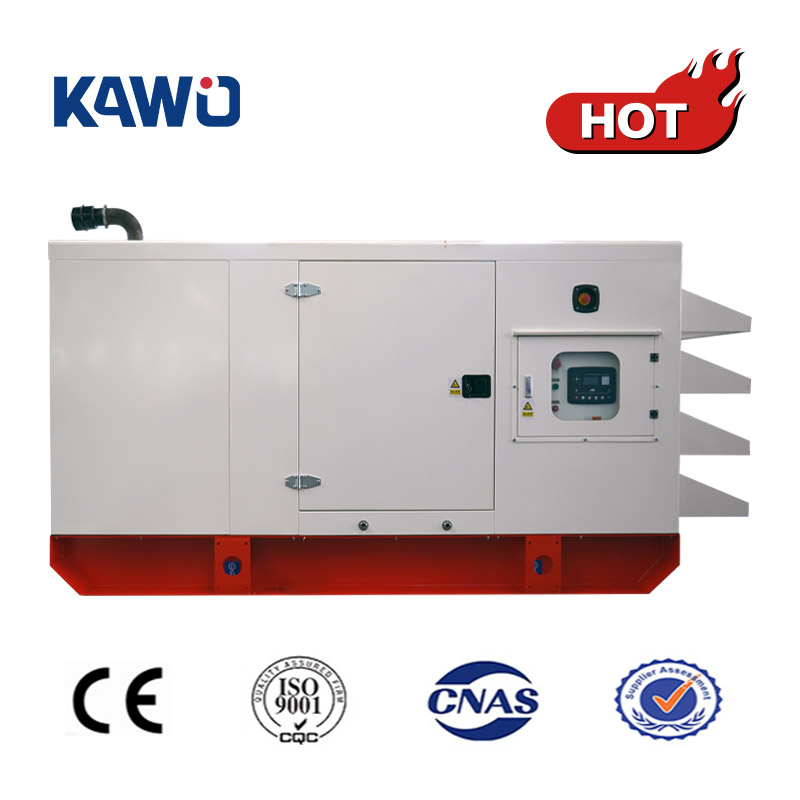
• 50–200kW: Suitable for small and medium-sized factories, hotels, office buildings, and medium-sized construction sites. They can be used as prime or standby power sources and can drive equipment such as water pumps, fans, and air conditioners. It is recommended to choose silent models (to reduce noise
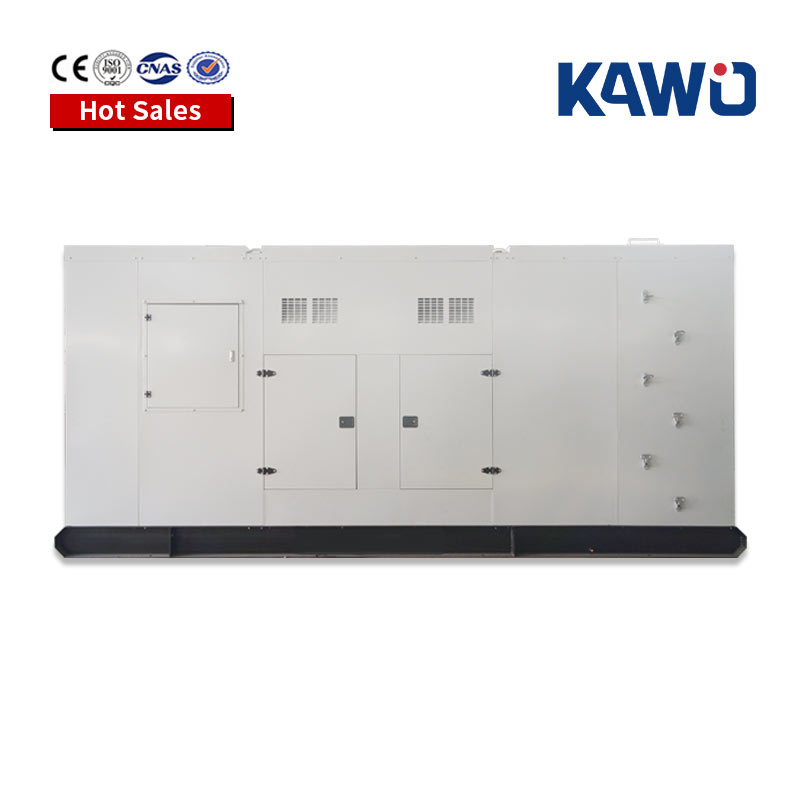
• 200kW+: Suitable for large factories, mines, data centers, and large construction sites that need to operate continuously for a long time or drive high-power equipment such as elevators and large machine tools. Multiple units can be paralleled (the number of paralleled units shall not exceed 4). Priority should be given to international first-line or domestic leading brands, focusing on stability and fuel consumption performance.
By Structure
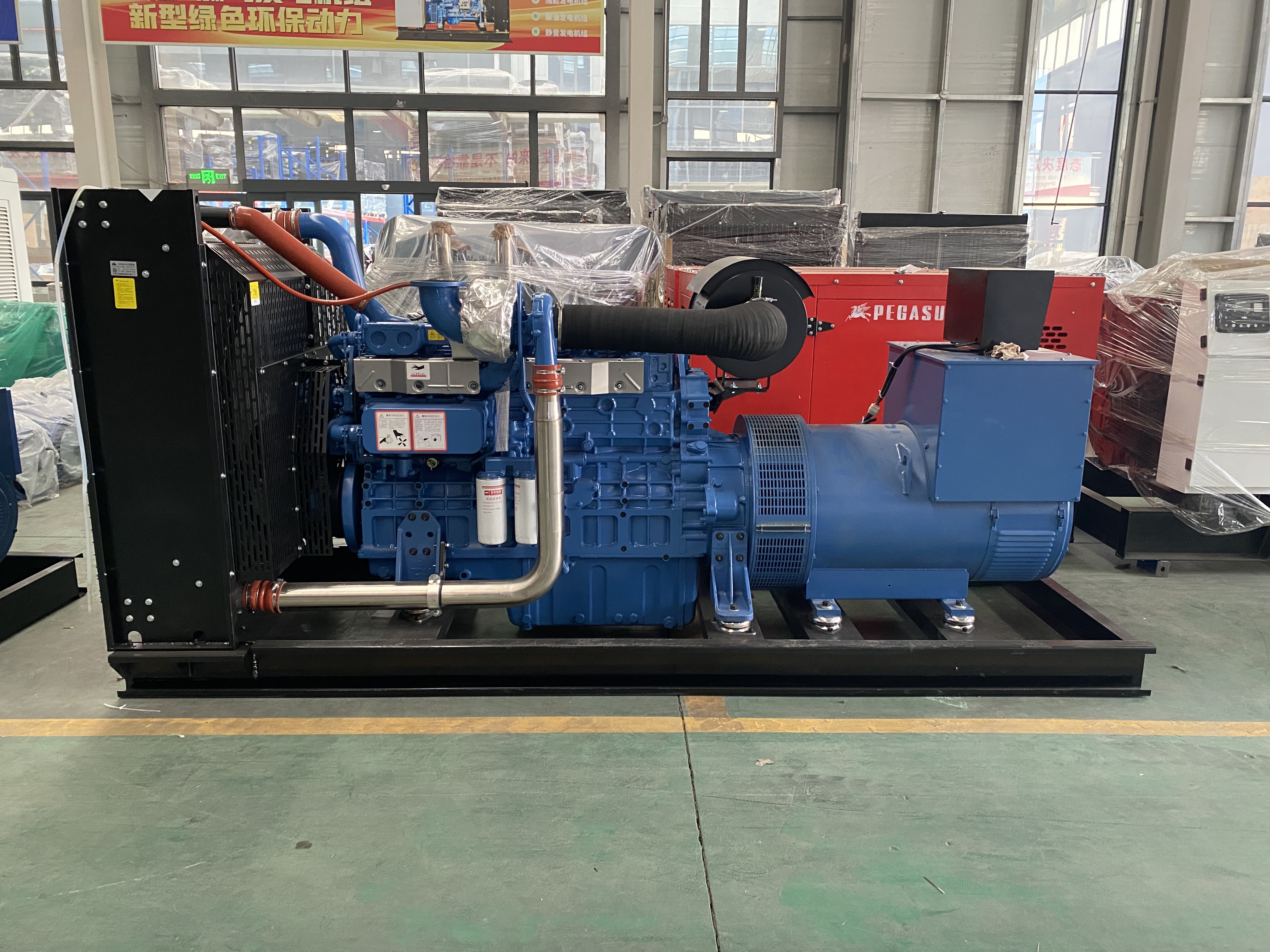
• Open-frame:Without a shell, they have good heat dissipation and low cost, but high noise (85-100 decibels). They are suitable for outdoor construction sites, remote areas, and other scenarios where noise is not a concern, and a separate machine room needs to be built.
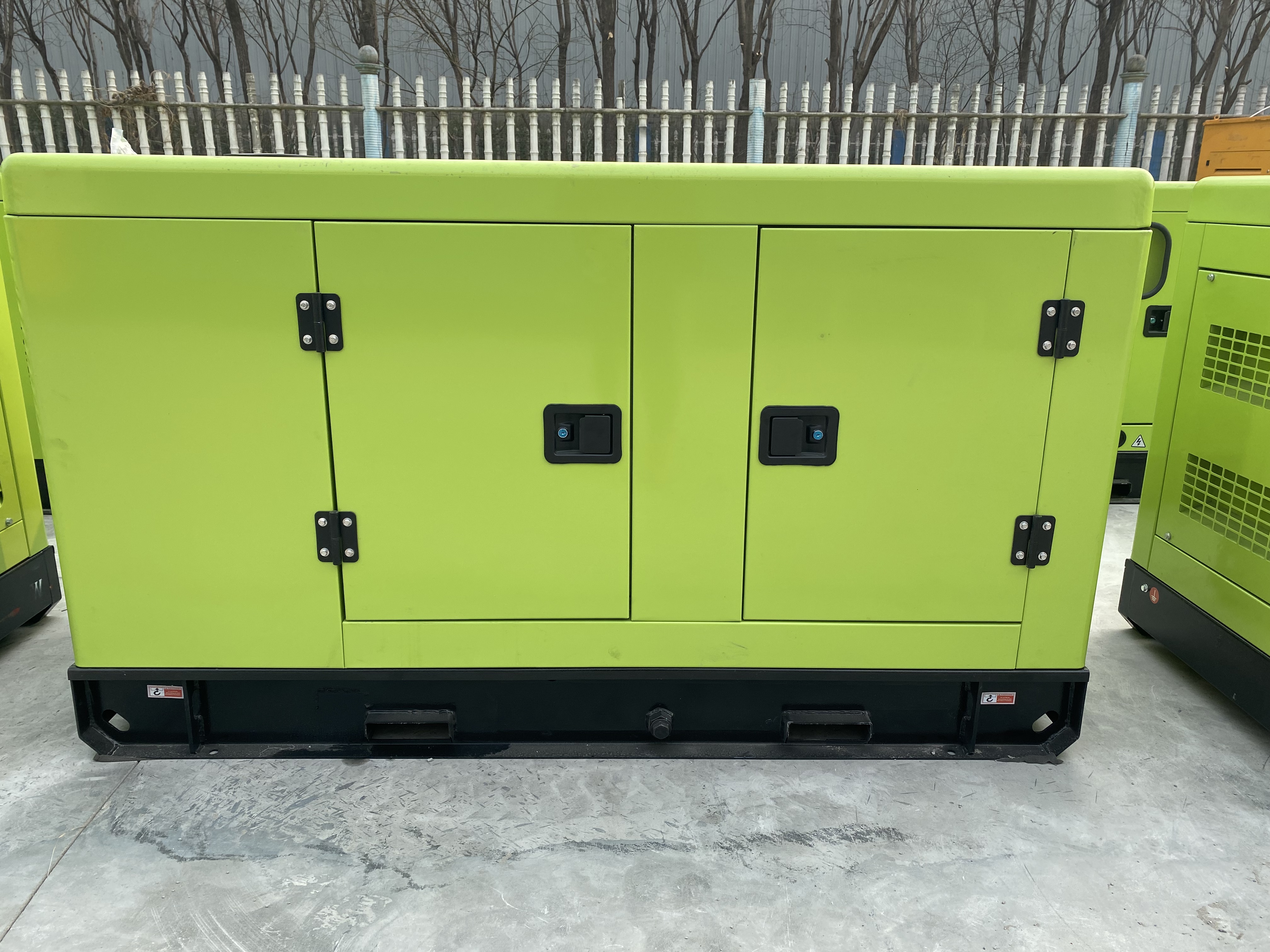
Silent-type: Equipped with a noise reduction cabinet, the noise is controlled at 60-75 decibels. They are suitable for noise-sensitive scenarios such as residential areas, hospitals, hotels, and office buildings. Their volume and cost are slightly higher than those of open-frame units.
•
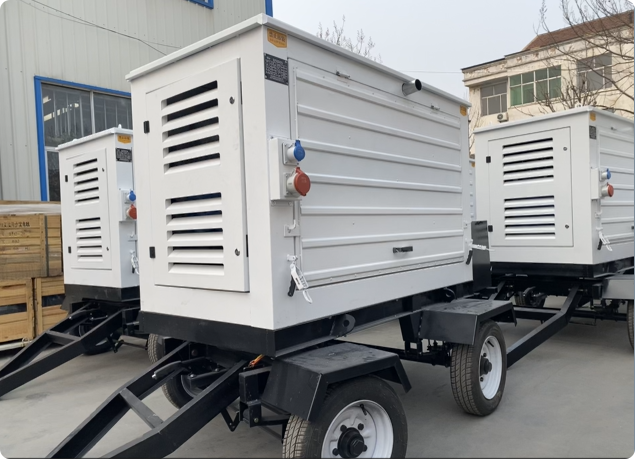
Mobile-type: Equipped with trailers or hand-push wheels, they can be moved flexibly. They are suitable for temporary power supply scenarios such as construction site transfer, outdoor construction, and emergency rescue. Most of them are small or medium power, and some large units can also be customized as mobile models.
By Scenario
• Home/shop: 5–20kW, basic or silent.
• Construction sites: 20–100kW mobile open-frame.
• Hotels/hospitals: 50–200kW silent ATS.
• Industry/data centers: 200kW+ fixed water-cooled.
IV. Brand Overview
International Premium Brands
• Cummins: Stable, fuel-efficient, medium–high power.
• Caterpillar: Heavy-duty, high reliability.
• Perkins: Low-load efficiency, quiet operation.
Top Chinese Brands (Cost-Effective)
• Weichai: High efficiency, low fuel consumption.
• Yuchai: Great for high-altitude and low-temperature areas.
• Shangchai: Mature, reliable, easy maintenance.
Small Brands
Low price but unstable quality; only for short-term temporary use.
V. 6 Common Purchasing Mistakes
1. Only looking at price, ignoring overstated power.
2. Confusing standby power with prime power.
3. Ignoring motor starting current (3–7 times rated).
4. Not adapting to high altitude, high or low temperature.
5. Ignoring after-sales service and spare parts.
6. Choosing overly large units, increasing fuel cost.
VI. Conclusion
The right generator depends on your power demand, usage scenario, environment, and budget. Focus on real power, reliability, fuel consumption, and after-sales support. A properly selected diesel generator will be your stable and trustworthy power backup for years.


