
KAWO丨 A Deep Comparative Analysis of Methanol Fuel and Gasoline Fuel
Views: 31 Author: Site Editor Publish Time: 2025-10-22 Origin: Site


A Deep Comparative Analysis of Methanol Fuel and Gasoline Fuel
I.Energy Density and Power Performance
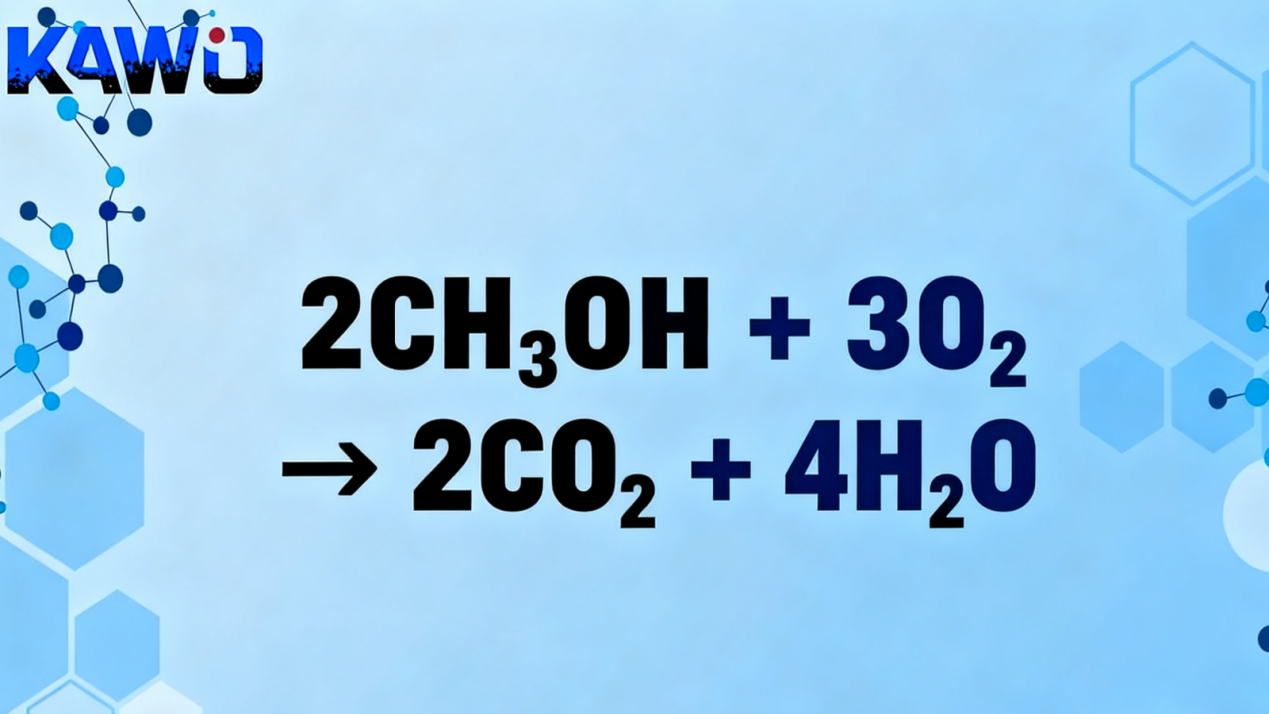
Although methanol has a volumetric heat value of only about half that of gasoline(15.6 MJ/L for methanol compared to 34.2 MJ/L for gasoline),its performance in power generation units is slightly better than that of gasoline due to its unique advantages.The high octane rating of methanol(106–112)supports a higher compression ratio,thereby improving the thermal efficiency and power output of the engine in power generation units.Moreover,methanol burns 15%to 20%faster than gasoline,which means it can burn more quickly in the engine cylinder,further enhancing the engine’s power efficiency.Therefore,despite its lower energy density,methanol is not inferior to gasoline in terms of power performance in power generation units.To compensate for the lower volumetric heat value,methanol injectors have twice the flow rate of gasoline injectors.This allows methanol power generation units to inject more fuel in the same amount of time to meet power generation needs.However,this design also results in relatively higher fuel consumption for methanol power generation units,with theoretical fuel consumption per kilowatt-hour being about 1.5 to 2 times that of gasoline power generation units.

II.Safety
(1)Flash Point
Gasoline has a low flash point of about-50℃,which means it is more volatile and flammable at low temperatures,posing a certain fire risk.Methanol,in contrast,has a higher flash point of about 11℃,making it relatively safer in storage and transportation.However,methanol is somewhat toxic,and leakage or ingestion can cause harm to the human body.Therefore,strict safety measures must be taken when using and storing methanol fuel to prevent leakage and ingestion.
(2)Corrosiveness
Methanol fuel has a higher swelling rate for rubber components and may cause certain corrosive effects on the fuel system and engine parts of vehicles.Therefore,vehicles using methanol fuel need to employ special corrosion-resistant materials and sealing technologies to ensure the reliability and durability of the vehicle.In comparison,gasoline fuel has less corrosiveness to rubber components,but its volatility and flammability also require special attention.


III.Conclusion
Methanol fuel and gasoline fuel have significant differences in many aspects.Gasoline has advantages in terms of energy density and power performance,but its environmental performance is poor,causing greater pressure on the environment.Methanol fuel,on the other hand,performs well in environmental protection,economy,and combustion efficiency.In the future,with continuous technological progress and the gradual improvement of infrastructure,methanol fuel is expected to overcome its current shortcomings and become a cleaner,more efficient,and more sustainable energy choice.The comparative analysis of methanol fuel and gasoline fuel not only helps us better understand the characteristics and advantages of these two types of fuel but also provides important reference for future energy choices.


