
KAWO丨China Launches World's First 1,000-Ton Methanol-Electric Intelligent Fleet in Nanjing
Views: 24674 Author: Site Editor Publish Time: 2026-02-26 Origin: Site


China Launches World's First 1,000-Ton Methanol-Electric Intelligent Fleet in Nanjing
NANJING, China — In a significant leap for sustainable maritime transport, China has successfully launched its first 1,000-ton pure methanol-electric intelligent fleet. The two-vessel fleet, comprising the "Shuntongji 601" and "Shuntongji 602," departed from Nanjing's Xiba Port on February 6, 2026, heading for Hefei in Anhui Province, marking the official opening of the Nanjing-Hefei green demonstration waterway.
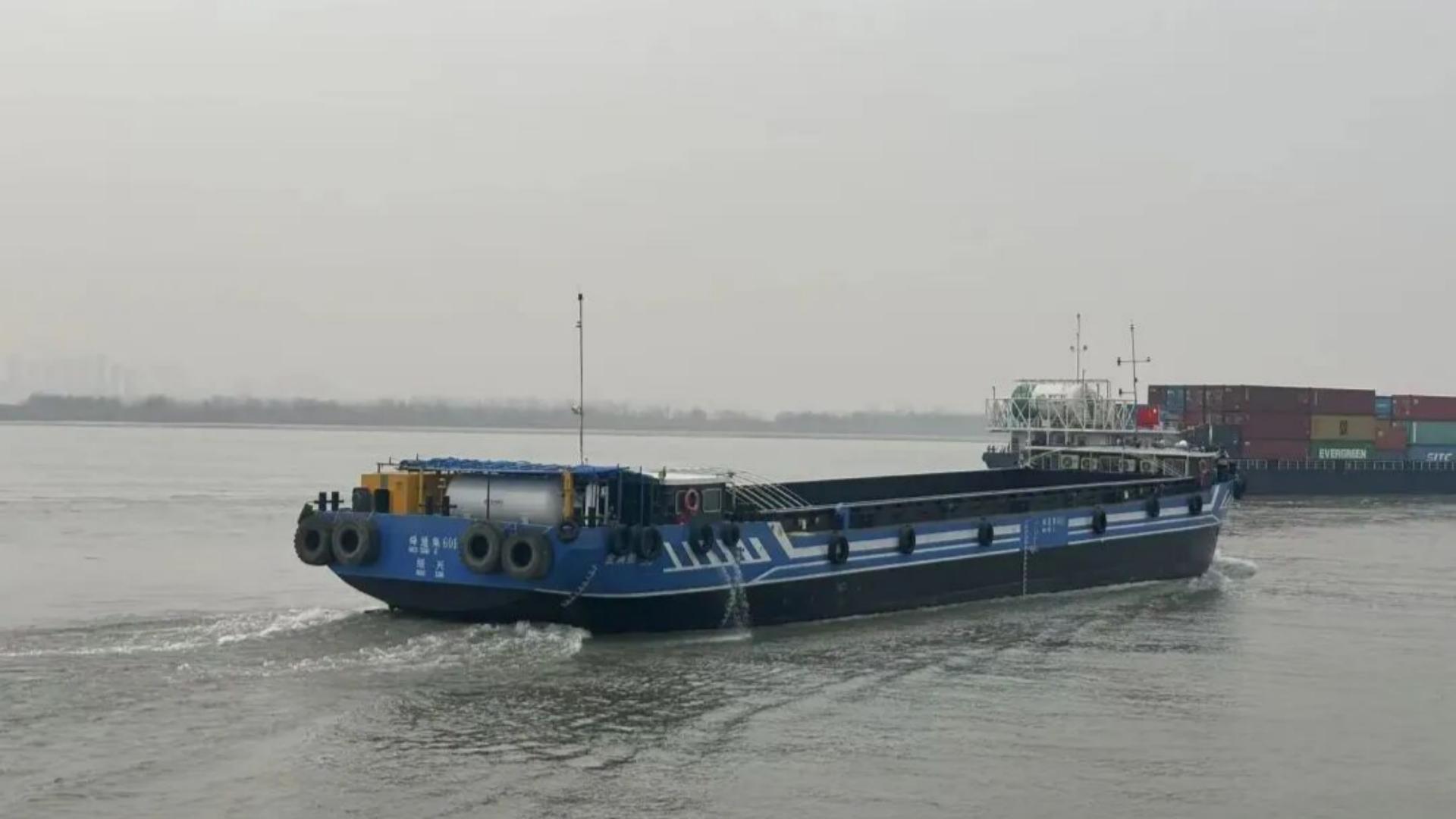
The fleet's cutting-edge propulsion system, developed by Zhejiang Xinchuan Technology, integrates two 280kW methanol generators with high-capacity lithium battery packs and 110kW main propulsion motors. The innovative "methanol power + lithium storage + variable frequency control" decoupled design enables intelligent switching between multiple operating modes—methanol-electric, pure electric, and range-extended—optimizing performance across varying navigational conditions.
Compared to conventional fuel-powered vessels, the methanol-electric system delivers a 20% improvement in energy efficiency and reduces pollutant emissions by over 95%. With a single methanol refill, each vessel achieves an impressive cruising range exceeding 1,500 kilometers—more than seven times that of pure electric ships of equivalent tonnage—offering a viable green solution for medium-to-long-distance inland waterway transport.
The Nanjing Maritime Safety Administration has been instrumental in fostering this green shipping ecosystem, with supporting infrastructure including the "Haigangxing 01" LNG bunkering station, the Longtan electric vessel swap station, and near-zero carbon maritime service areas. Green corridors such as the Nanjing-Xuzhou container route and the Nanjing-Shanghai river-sea direct electric vessel express lane are already operational, alongside pure electric tugboats and container ships.
This milestone positions Nanjing as an emerging hub for green shipping innovation and underscores China's commitment to decarbonizing its inland waterway transportation sector.


